Source Interchangeable Honeycomb Liners for Mining, Water, and Oil
Find and compare 30 listings for Interchangeable Honeycomb Liners designed for energy, mining, and industrial wastewater applications. Evaluate options made from PP or paper with injection molding technology for corrosion resistance and transport storage needs.
Key considerations
Products List
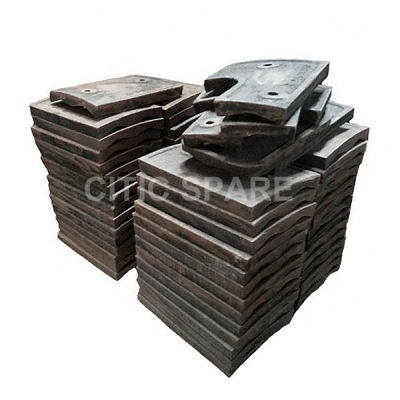
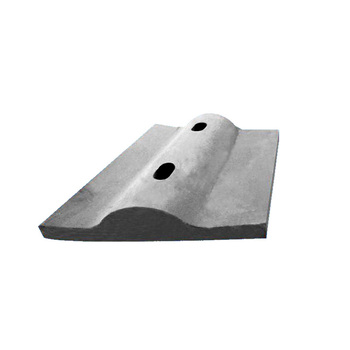
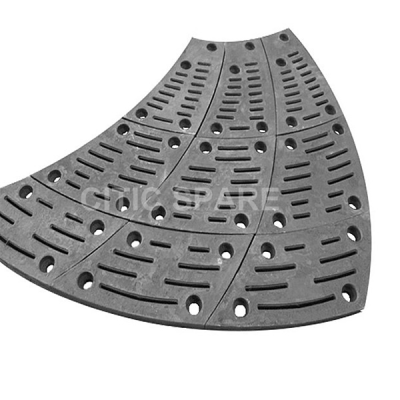
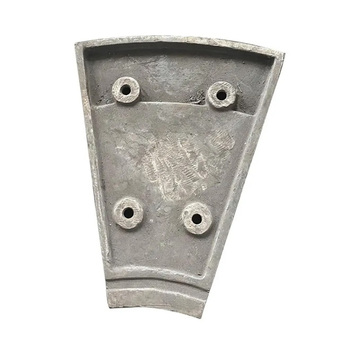
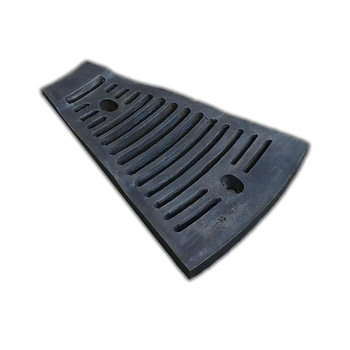


Chemical-Resistant Industrial Tank Reinforcement Liner PP Honeycomb Board
$2.00 - $4.00
MOQ: 1000 Pieces


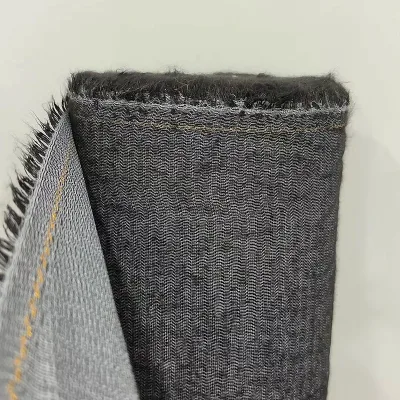
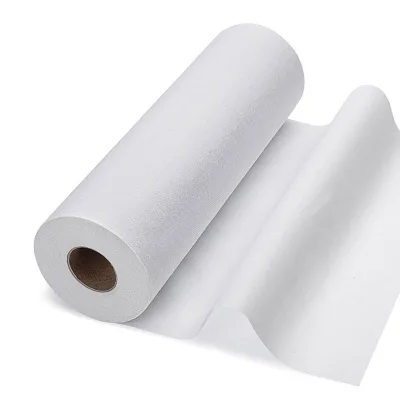
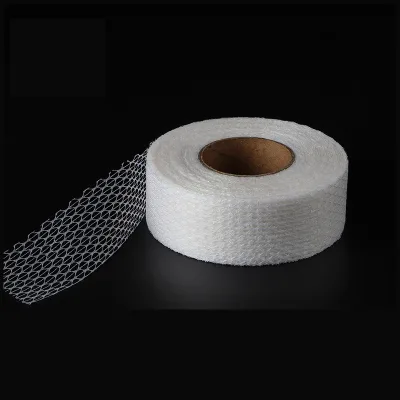

Comprehensive Sourcing Guide
Interchangeable Honeycomb Liners Sourcing Guide
Interchangeable Honeycomb Liners represent a specialized category of industrial components designed for adaptability across diverse storage and transport applications. Based on observed market data, these products frequently appear in contexts involving the handling of energy, mining, and industrial wastewater sectors, where material integrity under stress is paramount. The core functionality often centers on the liner component itself, which serves as a critical barrier or structural element within larger systems. Buyers must recognize that while the term "honeycomb" implies a specific geometric structure, the actual material composition in the current market varies significantly, ranging from polypropylene (PP) to paper-based composites, each offering distinct performance characteristics for different chemical environments.
The procurement landscape for these liners is characterized by a wide variance in product definitions and intended uses, necessitating a rigorous verification process before selection. Listings indicate that these items are often marketed as ordinary products with high-quality claims, yet the specific application scope can range from transporting industrial alcohol and acids to serving as display units for cosmetics in outdoor exhibition settings. This divergence suggests that a single product listing may not satisfy all potential use cases, and buyers must carefully align the observed attributes—such as operation temperatures between -25℃ and +60℃ or specific dimensions like 1x40mm—with their actual operational requirements. The availability of customization and logo acceptance further complicates the selection process, requiring clear communication of technical needs to ensure the final delivered product matches the intended industrial function.
Product Scope and Observed Listing Signals
When evaluating product listings, buyers should scrutinize the specific material composition and physical dimensions provided, as these are the primary indicators of suitability for a given application. The observed data reveals a mix of materials including PP, paper, and plastic, alongside specific model identifiers such as "bag02" or "AB," which often correlate with distinct manufacturing processes like injection moulding. It is critical to verify whether the listed product is a single item or part of a larger system, as the "Selling Units" attribute varies, and the "Use" field explicitly mentions transport and storage, which may differ from exhibition or promotional display uses found in other listings. Misinterpreting a product designed for cosmetic display as a heavy-duty industrial liner could lead to premature failure in harsh chemical environments.
The scope of these products also extends to their packaging and logistical handling, which directly impacts the total cost of ownership and supply chain efficiency. Listings frequently specify packing methods such as stretch film on pallets, roll packing with oil paper, or carton configurations, all of which must be compatible with the buyer's internal logistics infrastructure. Furthermore, the "Marketing Type" is often listed as "Ordinary Product," which implies that the item may not carry specialized branding or premium positioning, yet the "Quality" attribute is consistently described as high. Buyers should treat these quality claims as observations rather than guaranteed performance metrics, and instead focus on verifying the "Condition" of the goods, which is uniformly listed as new, to ensure no prior degradation has occurred during storage or transit.
Technical Specifications to Verify
Technical verification must begin with the core components and operational limits, as these define the physical boundaries of the product's utility. The "Core Components" are explicitly identified as the liner, and the "Operation Temperature" range is observed between -25℃ and +60℃, a critical parameter for applications involving extreme weather or heated industrial processes. Buyers must confirm that the specific model's temperature tolerance aligns with their process requirements, as exceeding these limits could compromise the structural integrity of the honeycomb structure. Additionally, the "Function" is listed as a filter in some contexts, suggesting that the liner may also serve a separation or purification role, which requires a deeper understanding of the pore structure and flow dynamics not always visible in standard product descriptions.
Dimensional accuracy and manufacturing precision are equally vital, particularly when the liners are intended for interchangeable use in automated or semi-automated systems. The observed specifications include precise measurements such as 40mmx1000mm and thicknesses of 5mm, alongside model numbers like "Tj-0032" and "tj-0239" that likely correspond to specific tooling or mold configurations. Buyers should request detailed engineering drawings or CAD files to verify that the "Shape," described as rectangular, and the "Standard," which is often customized, meet the exact fitment requirements of their machinery. The "Technology" attribute, noted as injection moulding for some variants, indicates a high level of consistency in production, but this must be cross-referenced with the specific material properties to ensure the final product can withstand the mechanical stresses of its intended application.
Compliance and Safety Documentation
Compliance verification is essential when sourcing liners for industries such as energy, mining, and chemical processing, where regulatory adherence is non-negotiable. While some listings mention standards like SGS and ISO 9001:2008, these are often presented as general product standards rather than specific certifications for the liner material itself. Buyers must explicitly request current, valid certification documents that cover the specific material composition and the manufacturing process used for their order, as the "Warranty of core components" is frequently listed as unavailable, shifting the burden of quality assurance entirely to the buyer's due diligence. The absence of a formal warranty on core components necessitates a robust pre-shipment inspection protocol to mitigate the risk of receiving non-compliant goods.
Safety documentation should also address the chemical resistance and environmental impact of the materials used, particularly given the diverse applications ranging from acid and alkali transport to cosmetic display. The "Performance" attribute highlights corrosion resistance, a critical safety feature for handling hazardous substances, but this claim must be substantiated by independent test reports rather than relying solely on the product description. Buyers should verify that the materials, whether PP, paper, or plastic, meet relevant safety standards for the specific chemicals they will encounter, and ensure that the "Export Market" designation of "Globel" implies adherence to international shipping and handling regulations. Without explicit safety data sheets (SDS) or material safety declarations, the risk of non-compliance with local environmental and occupational health regulations remains high.
Cost Drivers and Commercial Terms
The cost structure for Interchangeable Honeycomb Liners is heavily influenced by the complexity of customization and the specific material chosen, as evidenced by the wide observed price range of $0.12 to $359.92. This variance suggests that factors such as the "Customization" availability, the "Logo" acceptance, and the specific "Model" complexity play a significant role in pricing. Buyers should anticipate that standard, off-the-shelf items will fall at the lower end of the spectrum, while custom-molded liners with specific dimensions, colors, or branding will command a premium. The "Selling Units" being listed as "Single item" for some products indicates that pricing may be per unit rather than per batch, requiring careful calculation of total volume costs to avoid budget overruns.
Commercial terms and logistics are equally critical, as the "Place of Origin" in Henan and Shanghai, China, combined with varying "Packing" methods, can significantly impact shipping costs and lead times. The "MOQ" range of 1 to 1000 units offers flexibility for small-scale procurement but may result in higher per-unit costs for smaller orders, whereas larger volumes might unlock better pricing tiers. Buyers must clarify the "Lead Time" and "Packing" details, such as whether the goods are shipped on pallets or in rolls, as these factors determine the efficiency of the receiving process and the potential for damage during transit. Additionally, the "Warranty" being listed as "Unavailable" for many items means that the commercial agreement must explicitly define the recourse for defective goods, as standard warranty protections may not apply.
Supplier Qualification and Quality Control
Supplier qualification should focus on the manufacturer's ability to deliver consistent quality and adhere to the specific technical requirements of the order, given the "Marketing Type" of ordinary products. The "Brand Name" CITIC appears in the data, but buyers should not assume that all listed products originate from this brand or that the brand guarantees the quality of every item in the catalog. Instead, verification should center on the supplier's production capabilities, specifically their experience with "Injection Moulding" and their ability to maintain the "Quality" standards observed in the listings. Requesting a factory audit or a video tour of the production line can provide insight into the actual manufacturing environment and the controls in place to ensure the "Condition" of the goods remains new until delivery.
Quality control protocols must be established early in the procurement process, particularly because the "Warranty of core components" is often unavailable, leaving the buyer responsible for detecting defects before they impact operations. The "Video outgoing-inspection" is a provided attribute in some listings, which serves as a valuable tool for remote verification of the product's condition and specifications prior to shipment. Buyers should leverage this feature to confirm that the "Shape," "Thickness," and "Material" match the agreed-upon specifications, and to ensure that the "Packing" is secure enough to prevent damage during transit. Establishing a clear acceptance criteria based on the observed "Performance" attributes, such as corrosion resistance and temperature tolerance, will help mitigate the risk of receiving substandard products.
Long-Term Procurement Checks
Long-term procurement success depends on the ability to maintain consistent supply and quality over time, which requires a proactive approach to supplier relationship management and performance monitoring. Given the "Customization" options and the "Standard" being often customized, buyers should establish a formal agreement that defines the process for maintaining design consistency and managing any necessary changes to the product specifications. The "Export Market" being global suggests that the supplier has experience with international logistics, but buyers must regularly verify that the "Place of Origin" and production methods remain unchanged to ensure that the product's performance characteristics do not drift over time.
Continuous monitoring of the product's performance in the field is essential to validate the initial "Quality" claims and "Performance" attributes observed in the listings. Buyers should implement a feedback loop that tracks the durability of the liners in real-world applications, particularly in challenging environments involving acids, alkalis, or extreme temperatures. If the "Warranty" remains unavailable, the buyer must rely on their own quality assurance data to identify trends in product failure or degradation. Regularly reviewing the "Technical Specifications" against actual usage data will help identify any discrepancies early, allowing for timely adjustments to the procurement strategy or supplier selection to ensure the continued reliability of the Interchangeable Honeycomb Liners in the supply chain.
FAQs
What materials are used for Interchangeable Honeycomb Liners?
The liners are constructed from PP plastic and paper materials. These materials provide high quality and corrosion resistance suitable for industrial applications involving water, acid, and alkali.
Can these liners be customized for specific needs?
Yes, customization is available for these products. Buyers can request specific shapes, logos, and standards to meet unique operational requirements for transport and storage.
Which industries can utilize these honeycomb liners?
These liners are applicable for the Energy and Mining sectors. They are also designed for use in industrial wastewater treatment and chemical processing environments.
How are the liners packed for shipping?
The products are packed using stretch film on pallets or in rolls with oil paper on paper tubes inside cartons. This ensures safe transport and storage during delivery.
What is the operating temperature range for these liners?
The liners function effectively within an operating temperature range of -25 to +60 degrees Celsius. This range supports stability in various industrial and outdoor conditions.
Where are these products manufactured?
The products originate from Henan and Shanghai in China. This location ensures access to established manufacturing capabilities for injection molding and other production processes.